
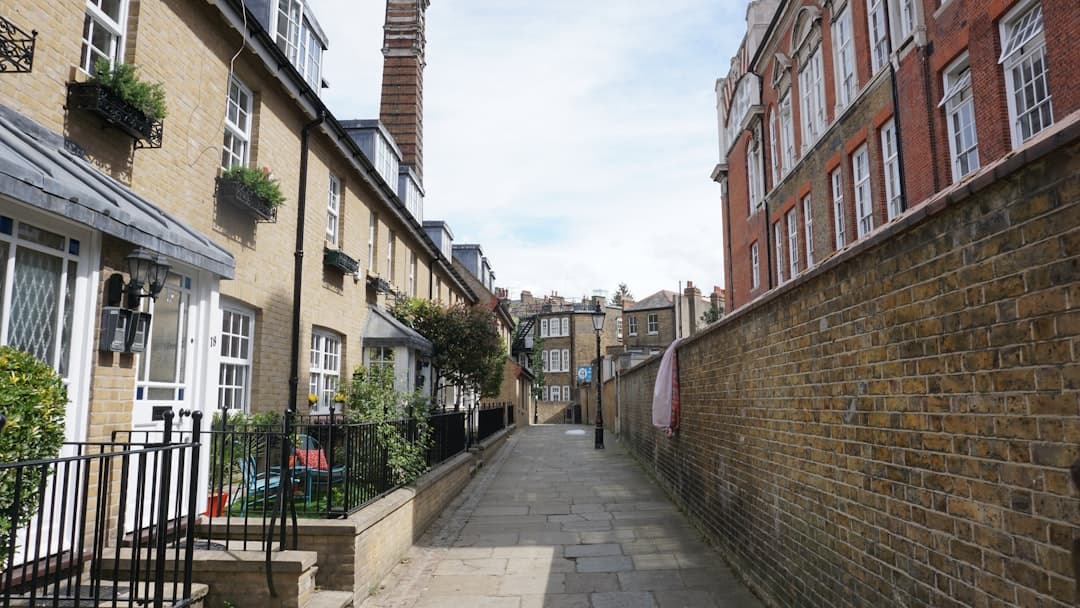
 Photo by Jisun Han on Unsplash
The offer lands, the option clock starts, or the auction hammer falls. In Singapore, an Option to Purchase typically allows three weeks to exercise; in the UK, a completed auction requires payment within 28 days. A bank's credit committee does not move on either timeline.
What most borrowers calculate next is the rate. Private short-term finance costs more per annum than a mortgage, and that comparison is hard to dismiss. But it is, almost always, the wrong comparison.
The real question is not rate. It is what the deal is worth, what it costs to miss it, and whether the financing arrives in time to matter.
The Actual Cost Calculation
Private short-term finance carries a higher annual rate than bank mortgage debt. No one disputes that. What matters is that "higher" is only meaningful relative to something, and in a deadline-driven transaction, the relevant comparison is not a cheaper mortgage you cannot get in time.
Consider a worked example in Singapore: a deal generates $3M in equity on a $15M property purchase, and a short-term loan costs $120,000 in interest over three months. The loan buys access to $3M at a cost of 4% of the gain. Waiting for a bank, and losing the deal to another buyer, costs 100% of that equity.
In the UK the numbers are denominated in sterling, but the structure is identical. Before deciding whether a private facility is expensive, reviewing our indicative rates tends to make the calculation concrete faster than estimating from first principles.
Deadline Scenarios in Singapore and the UK
Deadlines vary by market. The problem is the same in both.
In Singapore, the most common pressure points are:
- OTP expiry. An Option to Purchase typically gives 21 days to exercise. Miss it and the option fee is forfeited; more often, the deal is too.
- ABSD windows. Buyers managing their stamp duty exposure under the Additional Buyer's Stamp Duty framework) work to hard calendar deadlines. A bank's approval timeline may not respect those dates.
- GCB acquisitions. Good Class Bungalow transactions move on vendor terms. When sellers hold multiple offers, they do not wait for a buyer's lender to schedule a valuation.
A short-term loan in Singapore against the target asset or an existing property can resolve all three. The question is rarely eligibility; it is whether the capital is in place before the clock expires. If you are approaching one of these scenarios, speak with a specialist before you run out of room.
In the UK, the pressure takes different forms:
- Auction completion. A UK auction bridging loan closes in 28 days. A mortgage does not. The legal obligation has no flexibility.
- Chain break. A buyer's own purchase is ready; their property sale has not completed. A bridge funds the purchase and is repaid when the onward sale closes.
- Development exit. A developer whose construction facility is maturing needs a hold loan before penalty rates apply, while the building is sold or let.
The common thread is a deadline set by someone other than the borrower. Speed is the product, not an added feature.
How a Private Lender Underwrites the Decision
Banks underwrite income. Private lenders underwrite the asset and the exit. That distinction shapes everything about the timeline.
A private credit desk asks two questions: is the security worth what the borrower states, and is the exit credible? If the LTV is supportable and the exit is clear, a term sheet follows within 24 hours. A credible exit is a confirmed buyer, a mortgage in principle from a bank that has already assessed the borrower, or a stabilised income stream. Drawdown is typically two to three weeks from instruction; for a genuinely urgent case, seven days is achievable.
There is no income test in the sense a mortgage lender applies. No TDSR calculation in Singapore, no debt-service stress test that disqualifies an asset-rich borrower. Our lending process centres on the asset and the exit, not payslips or income schedules. A short-term bridging loan in Singapore against a Good Class Bungalow follows the same underwriting logic as a prime London bridging loan against a Mayfair townhouse. Both are adapted to local title and valuation conventions.
The Bank of England base rate sets the floor for conventional credit pricing. Private lenders price against asset risk and loan duration. When conventional credit tightens, the rate spread between private and bank finance may shift on paper; the speed advantage stays the same.
When Waiting Is the Right Call
Private short-term finance is not the answer every time. It makes sense when the opportunity is real, the exit is concrete, and the equity in the deal meaningfully exceeds the total financing cost.
It does not make sense when the exit is speculative, or when the asset's value depends on approvals not yet granted. Nor does it make sense when urgency is being used to avoid scrutiny the borrower should welcome. A lender who asks hard questions about the exit is protecting the borrower as much as themselves.
The question to settle before approaching any private lender is simple: what happens if the property cannot be sold or refinanced within twelve months? If the honest answer is uncertain, the bridge needs more thought. Related: our funded Mayfair deal shows how a higher LTV was supported by a documented exit, not urgency alone.
For borrowers whose exit is clear, the opportunity-cost calculation does the rest. Private short-term finance arrives when it needs to. That is its function.
Get Funding Approval Within 24 Hours
Speak with our specialists about your bridging requirements.
Frequently asked questions
Article sources1
Rikvin Capital cites primary, authoritative sources to support the information in our articles. The references below link directly to the original material.