
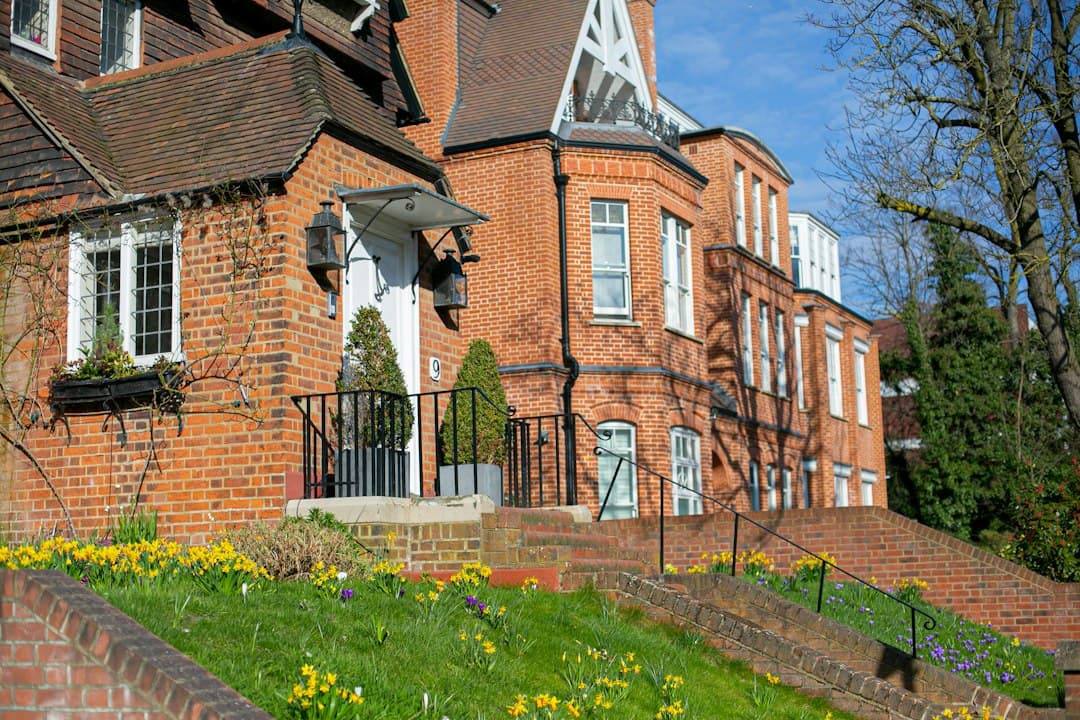
 Photo by Evie Fjord on Unsplash
Your construction facility has reached the stop date. The house is complete, vacant and on the market. There is no block of flats behind it, and no unit-release clause to pay the lender down.
A bank will not treat this as a simple residential bridging loan against a lived-in home. You need a bridge loan for a house that is still a developer's exit.
One dwelling, one buyer, and a marketing period that can run for months. That is a different underwriting problem.
Why a single house is not a multi-unit exit
Most developer exit bridging loans are underwritten on a scheme with several units. Sales can chip away at the debt. A Hampstead new-build, a Surrey rebuild or a prime central London conversion back to one dwelling has none of that.
The build loan matures against a finished asset that is still unsold. Comparables are thin, especially on a one-off specification. Time on market is the real variable, not a release schedule.
We still lend against the asset and the exit. The exit is simply a single sale, which is a different risk.
How lenders size a bridge loan for a house
Loan size follows value and the credibility of the sale, not the cost of the build. A completed house that cost more to deliver than the market will pay is not a 75% story. Indicative LTV is up to 75%, on a valuation we instruct, in the £1M – £100M range.
Tenor sits in the 3–24 month band. A house that needs a six-to-nine-month campaign should not be forced into a three-month facility. Rolled-up interest is common because there is no rental income to service monthly interest.
Security is typically a first charge on the completed title, registered at HM Land Registry. We still require a Report on Title, a valuation and a sale strategy we can underwrite.
Drawdown is typically two to three weeks once diligence is complete, and we usually issue a term sheet within 24 hours. All figures are indicative and subject to valuation and due diligence.
The same logic as sizing an exit when the sales campaign is running behind applies here. The difference is there is no second unit to sell if the first falls away.
When this is the right tool, and when it is not
A bridging loan is the right tool when the house is complete (or practically complete) and the title is clean. The exit needs to be a genuine sale at a price the market has already shown it can bear. It also works when the build lender will not extend and you need time to find the one buyer.
It is the wrong tool if the asking price is a hope value, if planning conditions remain open, or if you need a five-year hold. Short-term money costs more than a term loan. The main risk is simple: the house does not sell inside the tenor, interest rolls up, and you are refinancing under pressure.
We are a direct private lender, lending to accredited investors and corporates against the asset and the exit. We are not a bank. The Hampstead facility we completed is a useful read if you are looking at one prime dwelling rather than a scheme.
What we actually underwrite on a one-off dwelling
The file is shorter than a multi-plot scheme and stricter on the sale. We want the EPC, the build-complete evidence, the agent's campaign and the comparable set, however thin. An SPV borrower is normal. KYC and source of funds still sit on the critical path, which is why the process should start before the build facility's stop date, not after it.
If the house sits in prime central London, liquidity is deeper but pricing is unforgiving. A Surrey or outer-London rebuild can take longer to transact. That is a tenor question, not a reason to pretend the asset is a let house.
A Decision in Principle is not a substitute for valuation. Until the surveyor has been in, LTV is a working number only.
Get Funding Approval Within 24 Hours
Speak with our specialists about your bridging requirements.
Frequently asked questions
Article sources1
Rikvin Capital cites primary, authoritative sources to support the information in our articles. The references below link directly to the original material.
- GOV.UK. HM Land Registry