
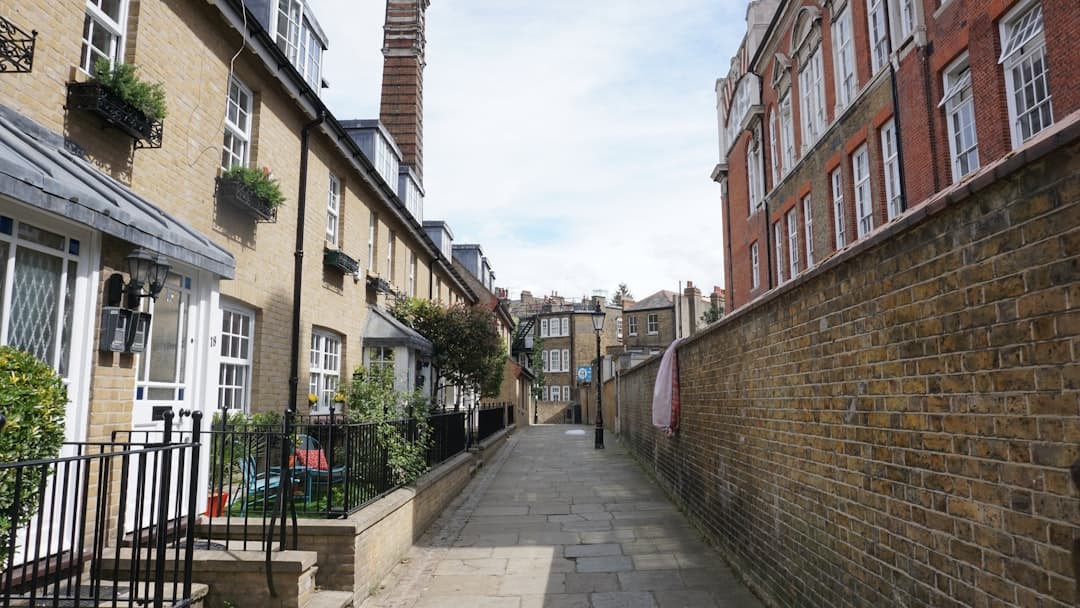
 Photo by Jisun Han on Unsplash
You already have a mortgage offer, or you know you would get one. The coupon is lower than any short-term facility. Paying more for a few months of debt feels like a mistake.
It often is not. A mortgage is built for a long hold: amortising principal, income tests, and a redemption profile that punishes anyone who leaves early. A bridge is built for a planned exit inside 3–24 months.
The cheaper debt is the one that matches the weeks you will actually be in the loan. That is the real bridging loan vs mortgage question in Singapore and the United Kingdom.
Why a cheaper coupon loses on a short hold
Banks price mortgages as long-duration books. In Singapore they apply the TDSR framework to declared income. In the UK they underwrite affordability and, on many fixes, an early repayment charge if you redeem inside the product.
You do not feel that cost if you stay for years. You feel it the week you try to leave. Minimum interest, arrangement fees that do not shrink with tenor, and a bank process measured in months all sit on the same side of the ledger.
A residential bridging loan is the opposite instrument. Interest is often rolled up and the tenor is the hold. You pay for speed and for the right to leave when the exit lands.
How to run the holding-period break-even
Ignore the two coupons for a moment. Write down four numbers:
- The mortgage's early repayment charge, or the remaining minimum interest.
- The extra fees to put a term loan in place.
- The all-in cost of the short-term facility over the weeks you need it.
- The cost of missing the deadline if the bank cannot complete in time.
If the hold is three to nine months, the charge plus the delay often exceeds the extra coupon on a bridge. If the hold is five years and no sale is in view, term debt is usually the cheaper choice, and it should be. For the fee stack behind either number, see how rate, fees and retention combine before funds are deployed.
Run it in the currency of the deal, dollars or pounds. Do not mix them. Terms are indicative and subject to valuation and due diligence.
Singapore adds a further friction. Even a well-qualified borrower can be blocked by TDSR when bonuses, overseas income or existing facilities distort the ratio. The UK equivalent is often a slow valuation, an EPC condition, or a 28-day auction clock.
Same decision. Different paperwork.
When a mortgage is simply the right tool
Use a mortgage when you intend to hold, you can wait for underwriting, and you will not redeem inside the charge period. That is most long-term investment debt. A bridge that sits for years is the expensive mistake.
Use a bridge when the exit is dated and credible: a completed sale, a refinance already in credit, an auction completion, or a scheme that needs to leave construction debt. The main risk is that exit. If the sale slips past the tenor, you are extending a short-term facility, not enjoying a cheap coupon.
We have funded that short-hold pattern on both sides of the market, from a Holland Road prime residential facility to bridging finance on a London investment property. The common thread was the calendar, not the coupon.
What a private lender actually prices
Rikvin Capital is a direct private lender operating in Singapore and the UK, lending to accredited investors and corporates. We are not a bank and we are not bound by TDSR. We underwrite the asset, the security and the exit.
Loan sizes run $1M – $100M in Singapore and £1M – £100M in the UK, at up to 70% and 75% LTV respectively, over 3–24 months. A term sheet typically arrives within 24 hours, and drawdown usually takes two to three weeks. Since 2018 we have completed 300+ deals and funded $1B+.
If you want the sequence rather than the comparison, the lending process is short on purpose. Bank reference rates still set the mood for long-term mortgage pricing, and the Bank of England Bank Rate is the UK benchmark. It does not tell you whether a three-month hold should sit on a two-year fix.
A bridge is the wrong tool if you have no exit, if you want the lowest coupon over a long hold, or if you need retail owner-occupier debt. We do not lend to retail consumers. We do not lend outside Singapore and the UK.
The bottom line
The cheaper facility is the one whose redemption profile matches your hold. Price that first, then pick the coupon. If you want that run through against a live deal, talk to our team.
Get Funding Approval Within 24 Hours
Speak with our specialists about your bridging requirements.
Frequently asked questions
Article sources2
Rikvin Capital cites primary, authoritative sources to support the information in our articles. The references below link directly to the original material.