
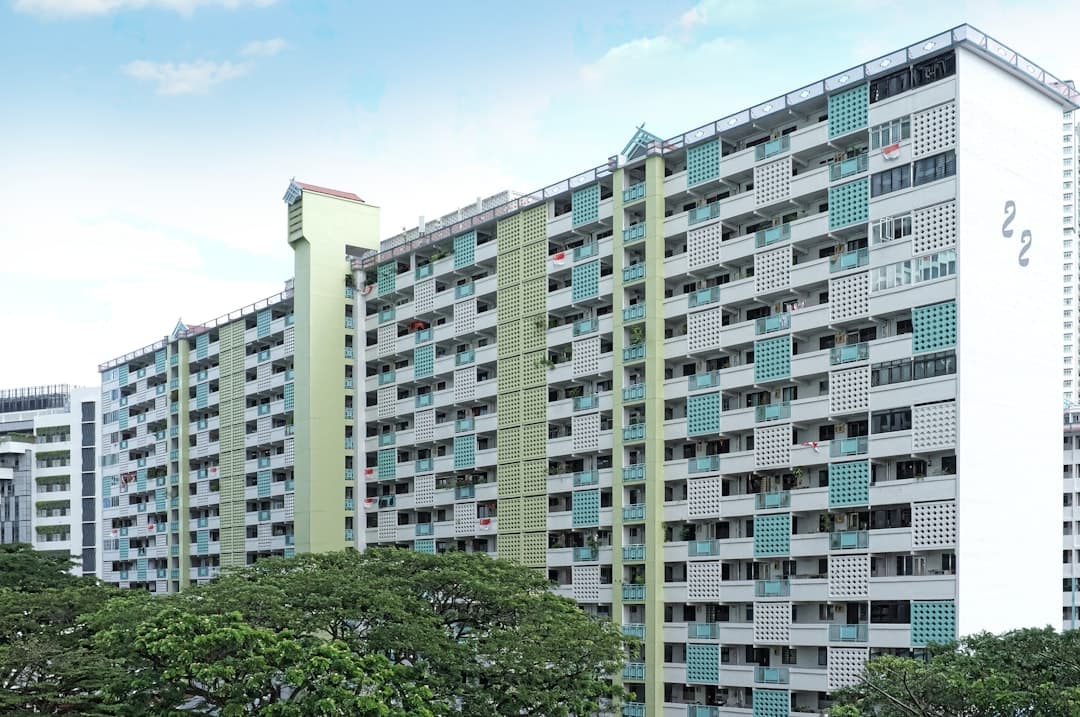
 Photo by Danist Soh on Unsplash
You have an Option to Purchase. The property is a condominium in a prime district, the price is agreed, and your finances are solid. Then the bank comes back with a loan offer that is significantly below what you expected, or declines to lend at all. The reason is almost always the same: your income is paid in Hong Kong dollars, US dollars, or Australian dollars, and Singapore banks must apply a haircut to it before counting it towards your TDSR.
The Total Debt Servicing Ratio framework caps the share of gross monthly income that can service all debt at 55%. Banks must haircut variable and overseas income before including it in that calculation. For a foreign buyer whose entire earnings are offshore, the bankable income figure can fall well below actual receipts, producing a loan quantum that misses the purchase price by a meaningful margin.
This gap between what the bank will fund and what the property costs is exactly where a bridge loan for foreigners in Singapore steps in. We lend against the asset and the exit, not a payslip.
Why the bank's offer falls short
Singapore banks operate under MAS guidelines that require haircuts on variable and overseas income when computing TDSR. A foreign buyer whose salary is paid offshore sees a significant share of that income stripped from the ratio calculation before the bank makes an offer. The effect sharpens further when income is structured as bonuses, director's drawings, or commissions rather than a fixed monthly salary.
The position worsens when Additional Buyer's Stamp Duty) enters the picture. Foreigners purchasing residential property in Singapore pay a 60% ABSD on the purchase price, a sum banks cannot finance. That upfront duty competes with the purchase itself for the buyer's available cash, narrowing the equity buffer the bank can see.
The result is a foreign buyer who has real capital and a credible asset, but cannot satisfy a framework built for Singapore-resident wage earners.
What a private bridge lends against
As a direct private lender operating as an excluded moneylender under the Moneylenders Act of Singapore, we are not bound by TDSR. Our assessment starts with two questions: is the security credible, and is the exit realistic?
For a foreign buyer completing a Singapore condominium purchase, the security is the property itself on a first-charge basis. The exit is typically a refinance to a bank once the buyer has built a local income track record, or a sale. We can structure rolled-up interest, meaning no monthly servicing obligation during the loan term. Interest accrues and is settled on exit, removing cash-flow pressure during the bridge period.
Our Singapore foreigner bridging loan page sets out current parameters: loan size $1M to $100M, LTV up to 70% of the property's assessed value, term 3 to 24 months. For the security assessment on strata-titled property specifically, see also our condominium bridging loan page. All figures are indicative and subject to valuation and due diligence.
Timeline and what we need from you
An indicative term sheet takes 24 hours from first contact. If the OTP has a short exercise window, drawdown inside seven days is achievable where KYC is clean and the property is straightforward. Typical drawdown is two to three weeks. See how the lending process works from first enquiry through to drawdown.
What we need early: the OTP or sale and purchase agreement; confirmation that ABSD funds are available (we cannot finance the duty); a passport and source-of-funds documentation; and a clear statement of the intended exit. We do not need Singapore payslips. We do not run a TDSR calculation.
If your bank has declined or come back short and your option deadline is approaching, contact our team before the window closes. Related: see how we funded a prime Holland Road residential purchase where the completion timeline was the central challenge.
When a bridge is the wrong tool
This structure works when the funding gap is the bank's income test, the asset is sound, and the exit is planned. It does not solve a genuine affordability problem. If you cannot cover the 60% ABSD from your own funds, the deal economics need to change before a bridge enters the picture; we cannot finance the duty itself.
Bridge credit is priced at a premium to bank rates and the term is short. If you have no credible refinance or sale timeline within 24 months, the cost rarely justifies the structure. The right use of a bridge loan for foreigners in Singapore is a defined gap with a defined exit: fund the completion, refinance or sell, repay the bridge.
For buyers structuring the acquisition through a corporate entity or offshore holdco, the Singapore bridging finance via an offshore holdco guide covers that route separately. The analysis above applies to direct personal purchases by accredited foreign individuals.
Get Funding Approval Within 24 Hours
Speak with our specialists about your bridging requirements.
Frequently asked questions
Article sources1
Rikvin Capital cites primary, authoritative sources to support the information in our articles. The references below link directly to the original material.