
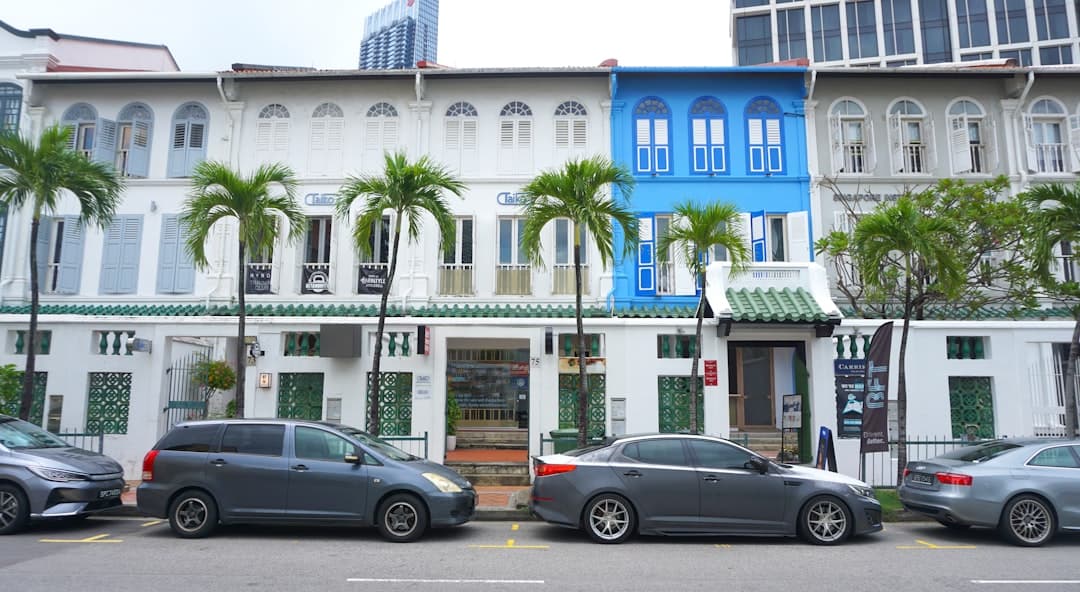
 Photo by Jisun Han on Unsplash
Your bank ran the numbers and TDSR failed. Maybe your income is variable, maybe you are buying before your existing sale completes, or maybe the property sits inside a corporate structure that the bank's income test was never designed to accommodate. Whatever the reason, the bank's answer is no, and the deadline on your purchase is not moving.
A broker or adviser has pointed you here. Perhaps you searched "Rivkin Capital" or "Rivkin bridging loan" before finding us. The underlying question is the same: who are these people, and can they actually help?
Rikvin Capital is a direct private lender. We have funded more than 300 deals and over S$1 billion in Singapore since 2018, almost entirely for borrowers the bank could not serve on the timeline they needed. Here is exactly how we decide.
Why TDSR stops the bank but not Rikvin Capital
The MAS TDSR framework caps total monthly debt obligations at 55% of gross monthly income. It is a blunt instrument built for retail borrowers taking on long-term mortgage debt. It does not distinguish between someone genuinely over-leveraged and someone who is asset-rich, income-variable, and needs a short-term bridge.
We are not a bank. We do not apply TDSR. Our decision starts with two questions: what is the security worth, and what is the exit? Send us the deal details and we typically confirm within 24 hours whether we can proceed. Our note on what happens between enquiry and term sheet explains the full sequence.
The asset-first framework: what Rikvin Capital actually looks at
A bridging loan is short-term debt, typically 3 to 24 months. The risk we underwrite is simple: not whether you can service monthly payments, but whether the security holds value and the exit is credible.
The security. We lend against Singapore residential, commercial, industrial and shophouse properties. The starting point is the open-market valuation; our ceiling is up to 70% LTV, though the precise figure depends on asset type, location and exit clarity.
The exit. Three credible exits appear in most deals we see: a confirmed or anticipated property sale, a refinance back to bank finance once income conditions change, and a liquidity event such as a business sale, a matured investment or an estate distribution. We need to understand your specific exit before we structure anything.
The borrower. You must be an accredited investor or a corporate entity. KYC and source-of-funds checks are standard on every deal. Interest on a Rikvin Capital bridge is typically rolled up: it accrues during the term and is repaid at exit, with no monthly interest obligations during the bridge period.
When a bridge is right, and when it is not
A bridge from Rikvin Capital works well when the window is defined. Buying a GCB before your sale completes, meeting a developer's deadline, releasing equity from a property a bank will not touch on your timeline: these are the right use cases. The Binjai Park deal in our portfolio of funded deals shows how exit clarity shaped the structure on a large GCB acquisition.
It is the wrong tool when the exit is vague. If you cannot point to a realistic event that retires the loan within your term, short-term private credit becomes expensive and difficult to manage. We say so plainly at the outset. The article on bridge loans without TDSR covers the broader landscape of when this structure does and does not apply.
What you need to start a conversation
We do not need payslips or income documents to issue a term sheet. We need asset clarity and exit clarity.
- Property details: address, title type (freehold or leasehold), recent valuation or asking price.
- Loan requirement: amount and indicative term.
- Your exit: what retires the loan, and by when.
- Borrower structure: personal or corporate, and whether you qualify as an accredited investor.
If you have those four points ready, reach out to our team and expect a response within the same business day. Drawdown typically follows in two to three weeks, or inside seven days when urgency demands it. Our lending process page walks through the full sequence from first call to drawdown.
For borrowers who have researched Rikvin Capital after a bank decline, the short answer is this: we are the lender, we hold the loan on our balance sheet, and we move on our own timeline.
Get Funding Approval Within 24 Hours
Speak with our specialists about your bridging requirements.
Frequently asked questions
Article sources1
Rikvin Capital cites primary, authoritative sources to support the information in our articles. The references below link directly to the original material.
- MAS. MAS TDSR framework