
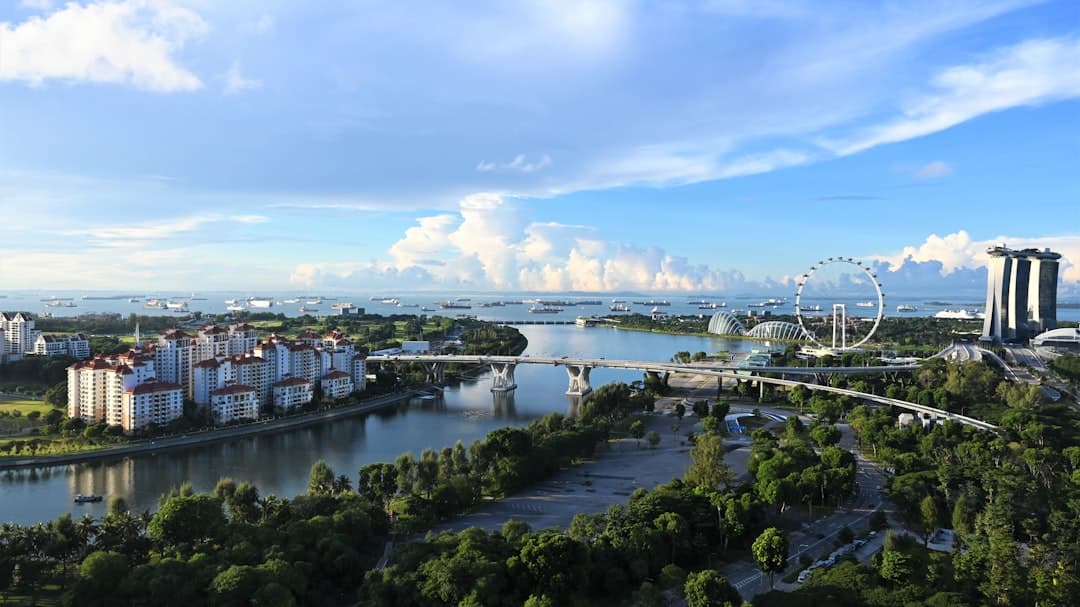
 Photo by Mark Stoop on Unsplash
Your parents' property sits in three names. One sibling wants to sell while the market is firm. Another plans to hold. A third is open to a buyout, but only if the cash arrives before they change their mind.
Bank lending applies the TDSR framework to the buying sibling's declared income, which frequently caps the loan quantum well below what a clean buyout requires. If that sibling already carries a mortgage on their own home, the TDSR headroom shrinks further. Meanwhile, any co-owner can apply to court to compel an open-market sale.
The right tool here is not a new mortgage. It is a short-term bridge: capital against the property, with the exit being a standard bank refinance once sole title is registered in the buying party's name.
Why TDSR blocks the bank and a bridge does not
The Monetary Authority of Singapore's TDSR framework caps total debt servicing at 55% of verified monthly income. For a sibling trying to buy out two others from a property worth, say, $6M, the required loan quantum can easily exceed what their income supports, particularly when they already service a mortgage on their primary residence.
Bridge lending solutions from a direct private lender work differently. Rikvin lends against the open-market value of the property and the credibility of your exit, not against your monthly salary. If the exit is a bank mortgage in your own name once you hold sole title, that is the underwrite.
How the bridge is structured for a family buyout
The mechanics are clean. Rikvin lends to the buying party, secured by a first charge over the Singapore property. The loan proceeds pay the co-owners their agreed share; they transfer their interest; title moves to the sole buyer. Once that transfer is registered, the buyer refinances into a standard bank mortgage, repays the bridge and holds sole title.
We issue a term sheet typically within 24 hours. Drawdown typically takes about two weeks, covering our valuation, legal title work, and KYC. Where a court date has already been set, urgent drawdowns inside seven days are possible.
Loan size runs from $1M to $100M. LTV is up to 70%, set on the lower of the agreed transfer price and our own valuation of the property's current value. If siblings have settled on a below-market figure for fairness reasons, the 70% ceiling applies to that lower figure.
For a recent example of an asset-backed close under time pressure, see how the Binjai Park GCB deal came together with a conventional refinance as the planned exit.

The ABSD question in co-ownership buyouts
One issue specific to Singapore: if the buying sibling already holds one or more private properties, acquiring a further interest, even from a family member, may trigger Additional Buyer's Stamp Duty (ABSD). The bridge itself does not create ABSD exposure, but the conveyancing structure matters, and you should settle that question with your solicitor before drawing down.
For the buy-out mechanics and ABSD planning in more detail, the citizen-PR condo decoupling insight covers a closely related structure; the underlying stamp-duty logic for sibling co-ownerships runs the same way.
When a co-ownership bridge is the wrong call
The bridge works when the exit is credible: the buying party qualifies for a bank refinance in their own name, in a large enough quantum, within the bridge term. If they do not, the bridge creates a second liquidity problem rather than resolving the first.
Two situations where we would advise against it. First, if the buying sibling's income will not support a bank refinance sufficient to repay the bridge quantum, the maths do not close. Second, if the property type restricts conventional bank lending, the exit may need to be a sale rather than a refinance, and the timeline and loan term should reflect that. If the property is a landed house or GCB, the bungalow bridging loan page covers what the title work involves for landed security.
We assess exit credibility at term sheet stage and will tell you plainly if the numbers don't hold. If they do, and a co-owner deadline is approaching, speak to our team before the window closes.
Get Funding Approval Within 24 Hours
Speak with our specialists about your bridging requirements.
Frequently asked questions
Article sources1
Rikvin Capital cites primary, authoritative sources to support the information in our articles. The references below link directly to the original material.
- MAS. the TDSR framework