
Residential Bridging Loan
At Rikvin Capital, we understand that sometimes you need fast, flexible funding solutions—especially for large-scale property transactions or business needs. Our Residential Bridging Loans are tailored for borrowers looking to secure amounts from £1 million to £100 million, with quick approvals and transparent terms.
Use Cases
Auction Purchases
Speed is crucial when buying at auction—our bridging loans help you meet strict deadlines.
Commercial & Mixed-Use Acquisitions
Secure prime commercial or mixed-use properties without losing out to competition.
Business Cash Flow
Use property equity to finance expansion or meet short-term obligations.
Short-Term Refinancing
Consolidate or refinance existing property finance until a long-term solution is arranged.
Why Choose Rikvin Capital?
Fast Turnaround
Our dedicated team can issue a term sheet within 24 hours, and deliver funds within just 2 weeks—minimizing delays and uncertainty.
Flexible Terms
We offer up to 70% LTV, with interest roll-up options to help manage cash flow.
Large-Scale Funding
Borrow up to 100 million to seize high-value opportunities that traditional lenders might not be able to support.
Approachable Experts
With extensive experience in bridging finance, our team works closely with you to understand your goals and structure a deal that fits.
How It Works
- 1
Enquire
Share the asset, the amount you need and your intended exit with our team, by enquiry form or WhatsApp.
- 2
Term sheet within 24 hours
Where the collateral, amount and exit are clear, you receive an indicative term sheet within 24 hours.
- 3
Funds in about two weeks
Valuation, legal review and completion typically take about two weeks on clean deals.
Get Funding Approval Within 24 Hours
Case Studies
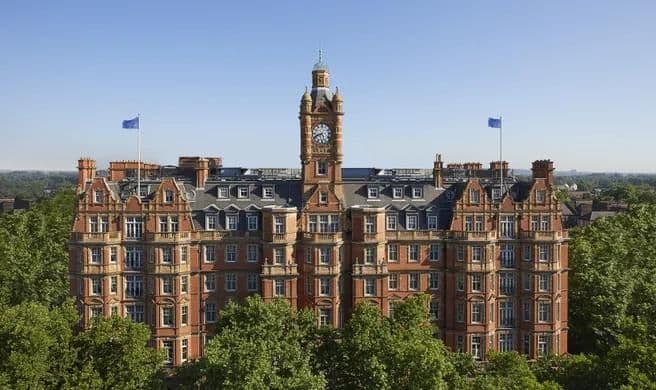
£18.8 Million Loan Facility Secured Against a Landmark West London Hotel
- Loan Amount
- £18.8M
- Asset
- Full-Service Hotel
- LTV
- 64%
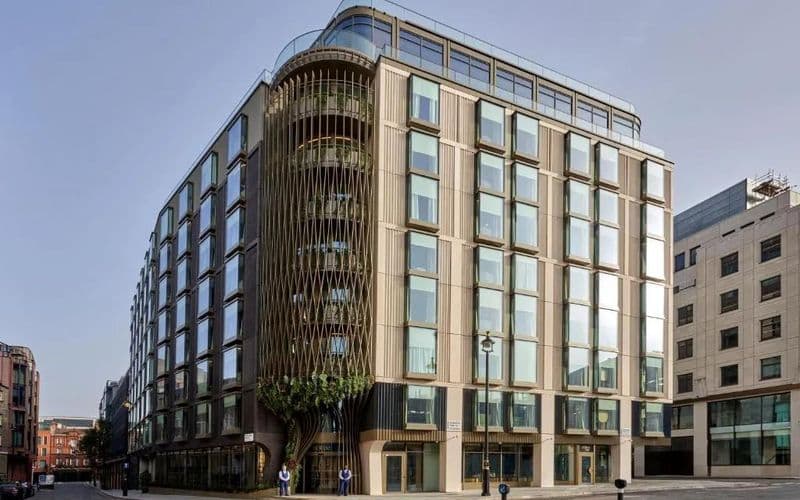
£9.5 Million Loan Facility Secured Against a UK Regional Hotel Portfolio
- Loan Amount
- £9.5M
- Asset
- Regional Hotel Portfolio
- LTV
- 65%

Bridging the Gap: Rikvin Capital’s £30M Co-Funding Milestone
- Loan Amount
- Confidential
- Asset
- Asset-backed collateral
- LTV
- Not disclosed

Bridging Finance for a London Investment Property
- Loan Amount
- Confidential
- Asset
- Asset-backed collateral
- LTV
- Not disclosed

Rikvin Capital Completes GBP £2.275M Loan Facility
- Loan Amount
- £2.3M
- Asset
- Asset-backed collateral
- LTV
- 70%

Rikvin Capital Backs $7.5M Mayfair Deal with Higher LTV
- Loan Amount
- Confidential
- Asset
- Asset-backed collateral
- LTV
- Not disclosed

Rikvin Capital Secures Exclusive Financing for Limited Edition Bugatti Vehicles
- Loan Amount
- Confidential
- Asset
- Asset-backed collateral
- LTV
- Not disclosed
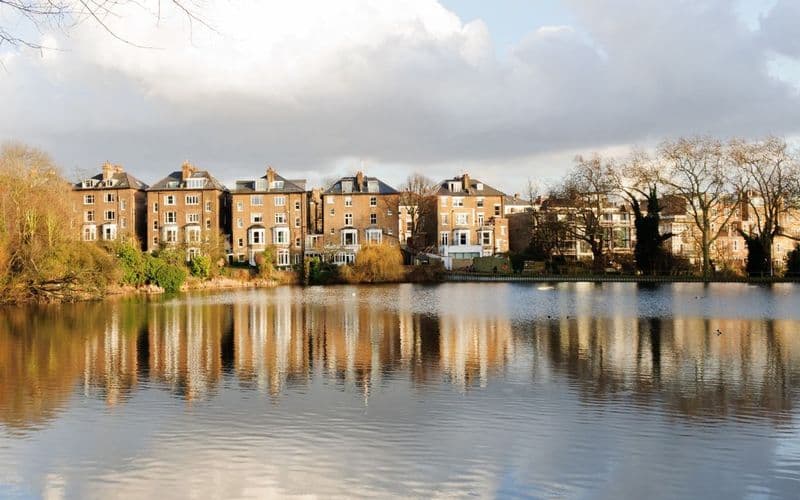
Strategic Bridge Funding for Prime Hampstead Property
- Loan Amount
- Confidential
- Asset
- Asset-backed collateral
- LTV
- Not disclosed
Swift Bridging Loan Execution for a Prime Surrey Property
- Loan Amount
- Confidential
- Asset
- Asset-backed collateral
- LTV
- Not disclosed
FAQs
Compare the full product range on our bridging loans in the UK page.