
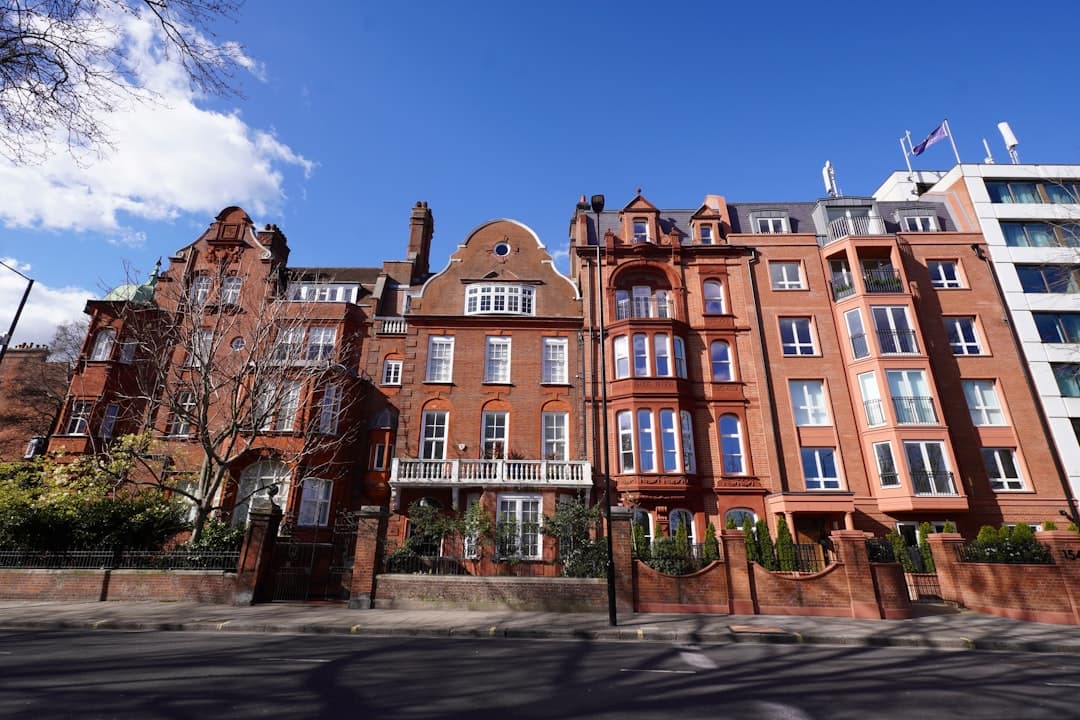
 Photo by Brett Wharton on Unsplash
Your solicitor calls on a Thursday afternoon. Completion is Monday. Your UK mortgage provider has just withdrawn: overseas income verification stalled in their compliance queue, and they cannot proceed in time. Four days to find £3.5 million, or risk forfeiting the deposit.
This scenario is more common for foreign nationals buying in the UK than most people expect. High-street lenders face structural friction when income arrives from overseas payroll, family trusts in a different jurisdiction, or the proceeds of an asset sale abroad. Their internal credit committees work to their own timelines, and when cross-border documentation falls short or arrives too late, a withdrawal notice follows.
The immediate question is not whether replacement finance exists. It almost always does. The question is whether an urgent bridging loan can be arranged in time, and whether you are talking to the right people.
Why foreign nationals face more last-minute lender withdrawals
UK banks applying standard mortgage criteria to a non-domiciled borrower run into structural friction. Income verification for someone paid outside the UK requires overseas bank statements, employer letters or audited accounts that may arrive in a foreign language. Source-of-funds checks on a Hong Kong investment account or Singapore family office can sit in a compliance queue for weeks. Then there is credit history: a buyer who has never held UK credit has no footprint on Experian or Equifax, which affects automated scoring systems.
None of these is a fundamental reason to decline a loan. They are reasons why a bank, working to its own internal timelines, is more likely to run out of road than push through, particularly when a completion date is approaching. The Stamp Duty Land Tax surcharge for non-UK resident buyers increases the total funds required at completion. Loan size and equity contribution figures must be precise from the outset.
A residential bridging loan for foreign nationals from a private lender operates on different logic: underwriting focuses on asset quality, LTV, and the credibility of the exit, rather than income verification or credit files.
What happens in the first 24 hours
The immediate priority, the moment a lender withdraws, is to get an indicative term sheet in front of your solicitor. That document signals to the vendor and their agents that you have a credible path to completion, which is often enough to buy the time needed to restructure. A private lender handling urgent bridging cases can typically issue a term sheet within 24 hours of receiving the core deal details: property address, current estimated value, loan amount required, proposed exit strategy, and a summary of any outstanding legal issues.
Share the declined lender's letter at the same time. It usually clarifies whether the withdrawal was a credit decision, a source-of-funds compliance issue, or a valuation dispute. Each requires a different response from your next lender.
Instructing your solicitor to prepare a full legal pack in parallel is the single most effective way to accelerate drawdown. HM Land Registry title searches and a Report on Title are on the critical path: the faster those are in hand, the faster a private lender can proceed to a formal offer.
How private lenders underwrite an urgent bridging loan
The underwriting lens is deliberately narrow: asset quality, loan-to-value, and exit. With LTV up to 75%, there is meaningful equity protection built into the structure. The exit must be credible and timed. Options include refinancing to a longer-term mortgage once source-of-funds documentation is assembled, a sale of the property, or proceeds from an offshore asset disposal. Whichever route you propose, it must be realistic within the loan term.

KYC and Anti-Money Laundering checks still apply. A private lender is not exempt from UK AML obligations. But because the underwriting is asset-led, the documentation required is narrower: proof of funds for this specific transaction and identity verification, not a full mortgage application based on overseas income. The process moves faster not because standards are lower, but because fewer boxes need ticking. In a well-prepared rescue (existing legal pack, clean title, straightforward exit) drawdown can occur in as few as 7 days. More typically, a short-form transaction completes in 2–3 weeks. See how our lending process works for the full sequence from term sheet to drawdown.
Our strategic bridge funding in Hampstead case study illustrates how a fast, asset-led approach can complete a transaction where bank timelines have run out.
When bridging is the right answer, and when it is not
A bridging loan is the right instrument when the problem is timing, not fundamentals. If the property is sound, your equity is real, and your exit is demonstrable, a private lender can step in and complete the transaction. The issue must be timing: the bank ran out of road in its process, not a fundamental weakness in the deal.
It is not the right answer when the bank withdrew over a fundamental issue: a title defect, a structural problem the vendor refuses to remedy, or a loan-to-value too thin to absorb a downward valuation. Speed from a private lender does not repair a broken deal.
Rolled-up interest is standard on bridging facilities: no monthly payments, with interest added to the loan and settled in full at redemption. On a 3-month bridge the carrying cost is predictable and finite. On a 12-month facility it accumulates, so model it carefully and factor it into your total acquisition cost before you proceed. For a broader view of UK property lending as a foreign investor, the guide to bridge loans for foreign investors covers the structural considerations in more depth.
Get Funding Approval Within 24 Hours
Speak with our specialists about your bridging requirements.
Frequently asked questions
Article sources2
Rikvin Capital cites primary, authoritative sources to support the information in our articles. The references below link directly to the original material.
- GOV.UK. Stamp Duty Land Tax
- GOV.UK. HM Land Registry