
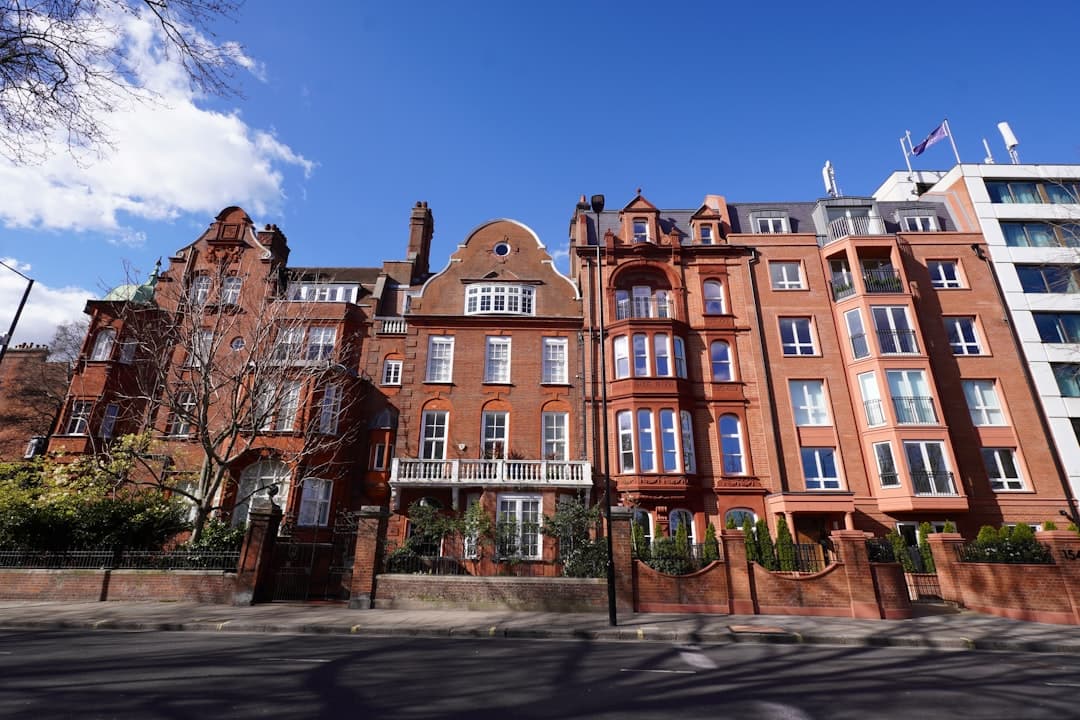
 Photo by Brett Wharton on Unsplash
You spot a leasehold flat in Hackney or Islington, priced well below comparable stock, with the hammer set to fall in three weeks. You read the legal pack. Sixty-one years remaining on the lease. Every high-street lender gives the same answer.
Winning a short-lease lot at a London auction is not exclusively a distressed-buyer strategy. Leasehold flats with sub-80-year terms appear regularly at the capital's auction rooms, carrying discounts that partly reflect the financing difficulty. A buyer with access to private finance can acquire at a meaningful reduction to comparable property with longer leases.
The obstacle is the 28-day completion window. In that timeframe, instructing solicitors, obtaining reports on title and arranging finance is difficult enough for a clean freehold. With a short lease in the mix, a bridge loan in London is often the only instrument that reaches the title register on time.
Why Short-Lease Lots Appear at Auction
Leasehold tenure dominates London's residential stock. Flats in Victorian conversions, Edwardian mansion blocks and postwar estates almost always sit on a lease. As that lease shortens, the property becomes progressively harder to finance. Below a certain threshold it becomes unmortgageable in the eyes of most mainstream lenders, most of which draw their minimum at somewhere between 70 and 85 years remaining.
HM Land Registry registration data confirms leasehold's dominance across inner London boroughs, making short-lease lots a recurring segment of the capital's auction calendar. Freeholders and motivated sellers who cannot or will not fund a statutory extension before sale often bring these properties to auction rather than list on the open market.
The discount reflects the financing difficulty. For a buyer who can move without a high-street mortgage, that discount is the basis of the investment case. If you have identified a lot ahead of the auction date, speak to our team for indicative terms before the hammer falls.
The Three-Stage Deal Structure
A London short-lease auction purchase via a bridging loan follows three stages, each with a clear purpose.
Stage one: complete. You win at auction and have 28 days. Auction bridging loans are built for exactly this: we can issue a term sheet within 24 hours of receiving the legal pack and deal summary, with drawdown typically completing in two to three weeks. We underwrite against the asset and your exit, so income and employment status do not gate the decision. No mortgage application, no survey delay eating into your window.
Stage two: extend. Once registered as owner, you instruct solicitors to serve a Section 42 notice on the freeholder, initiating the statutory lease extension process. Under the Leasehold Reform, Housing and Urban Development Act 1993, qualifying flat leaseholders can extend by 90 years and reduce the ground rent to a peppercorn. The freeholder has two months to serve a counter-notice; negotiation and, if required, a First-tier Tribunal determination follow. The bridge runs across a 3–24 month term while this resolves.
Stage three: refinance. When the extended lease registers, the property becomes mortgageable. You refinance into a buy-to-let or residential mortgage, repay the bridge, and realise the spread between your all-in cost and the post-extension open-market value. This refinance is the exit we underwrite against from day one. For an example of how we have approached comparable London deals, see the bridging finance case study for a London investment property.
When a Bridge Loan Fits, and When It Does Not
This structure works when the numbers stack across all three stages. Add the purchase price, the estimated lease extension premium, legal costs on both sides, surveying fees, and bridge interest. If the post-extension open-market value leaves a meaningful margin above that total, the deal has a foundation. If that margin is thin, a protracted freeholder negotiation or a price correction can erase it quickly.
Note that stamp duty land tax applies on purchase and separately on the lease extension itself. Run both calculations before you bid; SDLT on the extension is modest in most cases but it is a real cost that some buyers overlook. If the numbers are aligning on a specific lot, contact us for an indicative term sheet before the auction date.
The bridge is the wrong tool in a few situations. Leases below 21 years fall outside the standard statutory extension regime; different enfranchisement rules apply. If the freeholder's identity is unclear or the building has structural issues, the title may not resolve within the loan term. Where additional title defects sit alongside the short lease, clear them before assuming a mortgage lender will refinance you out.
For investors running UK residential bridging loans across multiple lots, this three-stage structure is replicable. The process is consistent once you have run it once. Our bridging finance FAQs cover the questions repeat buyers in the London auction market ask most.
Get Funding Approval Within 24 Hours
Speak with our specialists about your bridging requirements.
Frequently asked questions
Article sources2
Rikvin Capital cites primary, authoritative sources to support the information in our articles. The references below link directly to the original material.
- GOV.UK. HM Land Registry
- GOV.UK. stamp duty land tax